
























Progressive Congress
Celebrating the progressives elected on November 3, 2026, who will fight for healthcare, climate action, peace, and economic justice in Congress.
Progressive Congress started out to find the progressives running in the 2026 primaries and the general election, following endorsements from leading progressive organizations and scoring how progressive each candidate is, to help get them elected. With the votes counted, the site has a new job: keeping track of the progressives in Congress, both the newly elected and the incumbents returning in January 2027. Our progressive winners page features the most-endorsed and highest-scoring of them, and every House and Senate seat shows who will hold it. The progressives who ran and came up short are on our Thank You page, and many of them could be strong candidates in 2028.
Winning was only the first step. We'll keep holding these members to the platforms they ran on, and pushing them to become even more progressive; our Progressive Super-Platform collects the strongest commitments this year's candidates made, in their own words. And we'll keep watching their votes, so that none of them ends up on our Wall of Shame. Our About page lays out how the site's goals change from here through 2028.
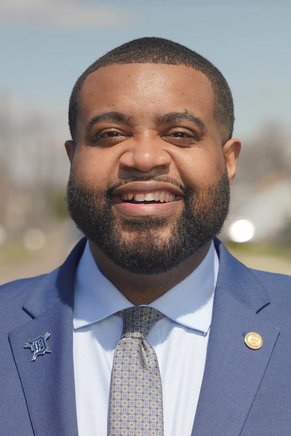
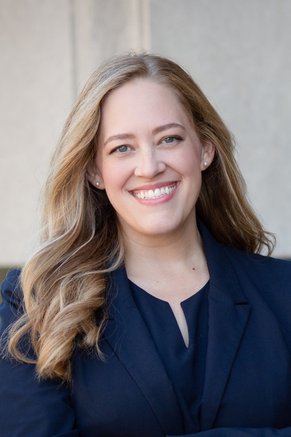
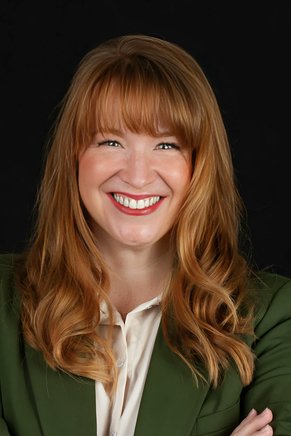
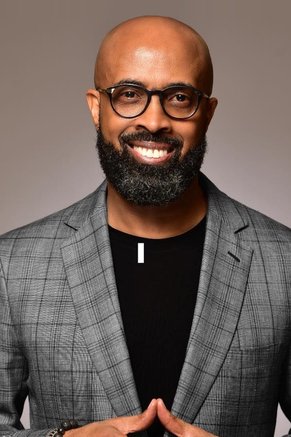
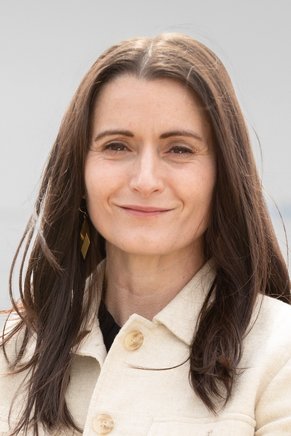
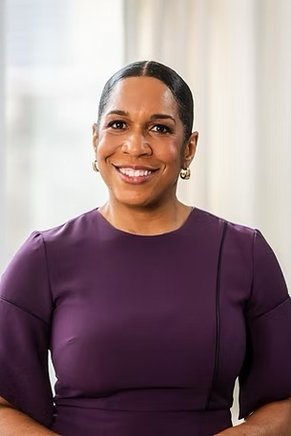
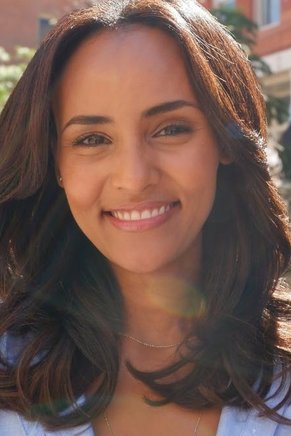
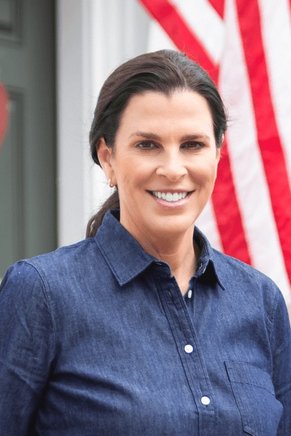
 Check out our new page, A Look at 2028, to see which districts really need a progressive to step up and run — including some Democratic seats held by members who are anything but progressive. It also highlights the candidates we really hope will run again, progressives who came within a few points of beating a Republican this year: Ashley Bell, Matt Dunlap, Chelsey Hockett, Kelly Kirschner, Elizabeth Lee, Nicole Locklin, Angie Nixon, Justin J. Pearson, and Tom Perriello. Let's get them back on the ballot!
District Hexmap
Every congressional district is drawn stylized with roughly equal area, whether it covers a few city blocks or a whole rural state, so dense metro areas get as much room as wide-open ones. That makes it easy to see at a glance where in the country progressives won their races. Hover over or tap any district for details, or switch to the Senate view, where each state's two seats share one shape.
District color shows who won in November (uncalled races show who is on the ballot). The dot shows who held the seat going into the election.
Progressive wonSomewhat progressive wonOther Democrat or independent wonRepublican wonResult calledRepublicanDemocratIndependentProgressiveOn the Wall of ShameLeaving this seatRunning in another districtVacant seatEach state is split into its two seats, senior senator on top. Seat color shows who won in November (uncalled races show who is on the ballot). The dot shows who held the seat going into the election.
Progressive wonSomewhat progressive wonOther Democrat or independent wonRepublican wonNot on the 2026 ballotRepublicanDemocratIndependentProgressiveOn the Wall of ShameLeaving this seatThe New Congress
Of the 435 voting House seats, 430 races have been called on November 3: 257 won by Democrats or independents and 173 by Republicans. Of the 35 Senate seats up in 2026, 35 have been called, 22 for Democrats or independents. Here’s how progressive the members taking office in January 2027 are, by score.
Each bar sorts the Democrats (and mainstream independents) by progressive score into quintiles, five equal slices of the 0–100% scale, with incumbents on the left and newcomers on the right. Few sit at either extreme; most land in the middle of the scale, between 20% and 60%. The good news: the newly elected members lean noticeably more progressive than the returning incumbents, with more of them in the 40–60% range and above. The Senate has far fewer races, but the same tilt shows up there: its newcomers also reach 40% and above more often than its incumbents do.
U.S. House
U.S. Senate
What is a Progressive?
People who are truly progressive generally stick to most of these principles. While the MAGAs and even the corporate-controlled Democrats will paint these as being "radical left", the reality is most Democrats, and most Americans overall, agree with them!
While we'd hope that the members listed here agree with all of these principles, we can't guarantee that. These principles are the yardstick we'll hold them to in the new Congress.
Progressive Principles are Mainstream
A candidate might call him/herself "progressive" while taking money from corporations and AIPAC, so judge candidates by what they do and who funds them, not just what they say. And we need more than just pushing back against Trump and MAGA — progressive principles demand action, not reaction. For instance, while we can appreciate Gavin Newsom's trolling of Trump Tweets and Cory Booker's filibuster, those people do not actually hold progressive principles.
You can dig even deeper into progressive principles, by reading our Super-Platform, a collected progressive agenda assembled entirely from candidates' own words: verbatim policy commitments, sorted by issue.
Thinking About 2028?
The 2028 cycle starts sooner than it seems. A campaign can win without national endorsements, and many do. But in 2026, the challengers with the most progressive endorsements were also among the best funded: those with six or more raised a median of about $1.1 million, against about $20,000 for those with none. And money mattered. Challengers who raised $1 million or more won their primary 76% of the time, compared with 27% for those under $50,000 (see our methodology). Endorsements alone don't win races, but they show voters where you stand and help bring in the support that does. Our candidate information page walks through which groups to contact, which pledges to sign, and how to make your website reflect your values — and our Progressive Super-Platform shows what a strong platform sounds like, in other candidates' own words.
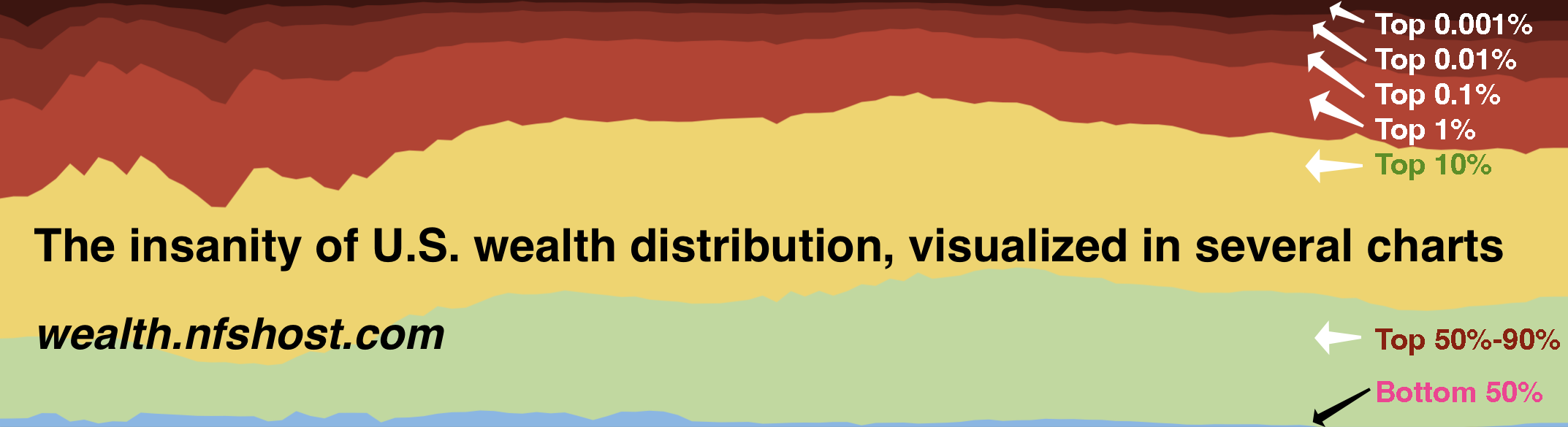
Check out our other political project that helps visualize the ridiculous differences between the wealthy and the rest of us.