
























Progressive Congress
Supporting progressive candidates who fight for healthcare, climate action, peace, and economic justice across America.
Progressive Congress tracks the 2026 U.S. congressional candidates fighting for healthcare, climate, peace, and economic justice. We follow endorsements from leading progressive organizations and score how progressive each candidate is, highlighting two kinds on our top progressive candidates page: the most-endorsed contenders, and the “unsung heroes” who lack national attention. Browse every House and Senate incumbent with their challengers, and find out who needs your support before November 3. Running a campaign? Learn how to get endorsed, sign pledges, and strengthen your platform here too. We update our data regularly as new endorsements are announced. We hope you'll learn a bit about the many women and men putting themselves on the line to take the first steps to fix our broken USA.
This site exists to make it easier to find and support candidates working to build a government that serves working people, not wealthy donors and corporations.
Some of these candidates are running in states where their Republican legislatures have gerrymandered their districts in a hope to eliminate Democrats. We can only keep pressing on, fighting back — there may be some districts where their efforts backfire!
Being featured here is not always voting recommendation, especially when it comes to independents and third-party candidates. In a plurality election, the most progressive candidate on the ballot isn't always the one whose win leaves you better off. See our note on strategic voting.
District Hexmap
Every congressional district is drawn stylized with roughly equal area, whether it covers a few city blocks or a whole rural state, so dense metro areas get as much room as wide-open ones. That makes it easy to see at a glance where in the country progressives are on the November ballot. Hover over or tap any district for details, or switch to the Senate view, where each state's two seats share one shape.
District color shows how progressive the Democrat (or mainstream independent) on the November ballot is. The dot shows who holds the seat now.
Progressive on the ballotSomewhat progressive on the ballotDemocrat or independent, not progressiveOnly Republicans on the ballotRepublicanDemocratIndependentProgressiveOn the Wall of ShameLeaving this seatRunning in another districtVacant seatEach state is split into its two seats, senior senator on top. Seat color shows how progressive the Democrat (or mainstream independent) on the November ballot is. The dot shows who holds the seat now.
Progressive on the ballotSomewhat progressive on the ballotDemocrat or independent, not progressiveNot on the 2026 ballotRepublicanDemocratIndependentProgressiveOn the Wall of ShameLeaving this seatThe 2026 Field, at a Glance
Each bar sorts the Democrats (and mainstream independents) by progressive score into quintiles, five equal slices of the 0–100% scale, with incumbents on the left and newcomers on the right. Few sit at either extreme; most land in the middle of the scale, between 20% and 60%. The good news: the new candidates lean noticeably more progressive than the incumbent Democrats, with more of them in the 40–60% range and above. The Senate has far fewer races, but the same tilt shows up there: its newcomers also reach 40% and above more often than its incumbents do. We hope every one of these candidates wins, but nobody knows yet how November will go, or how progressive the incoming class will turn out to be.
U.S. House
U.S. Senate
What is a Progressive Candidate?
People who are truly progressive generally stick to most of these principles. While the MAGAs and even the corporate-controlled Democrats will paint these as being "radical left", the reality is most Democrats, and most Americans overall, agree with them!
While we'd hope that the candidates here would agree with all of these principles, we can't guarantee that. But remember — on election day, ultimately it comes down to who is the best candidate actually running of the choices you have, not who is the perfect candidate.
Progressive Principles are Mainstream
A candidate might call him/herself "progressive" while taking money from corporations and AIPAC, so judge candidates by what they do and who funds them, not just what they say. And we need more than just pushing back against Trump and MAGA — progressive principles demand action, not reaction. For instance, while we can appreciate Gavin Newsom's trolling of Trump Tweets and Cory Booker's filibuster, those people do not actually hold progressive principles.
You can dig even deeper into progressive principles, by reading our Super-Platform, a collected progressive agenda assembled entirely from candidates' own words: verbatim policy commitments, sorted by issue.
Why Should Candidates Care About These Endorsements?
A candidate could run a perfectly good, winning campaign without worrying about garnering endorsements from national organizations. Many candidates win that way. But an endorsement or a public pledge shows voters where you stand, and our candidate information page walks through which groups to contact, which pledges to sign, and how to make your website reflect your values — and our Progressive Super-Platform shows what a strong platform sounds like, in other candidates' own words.
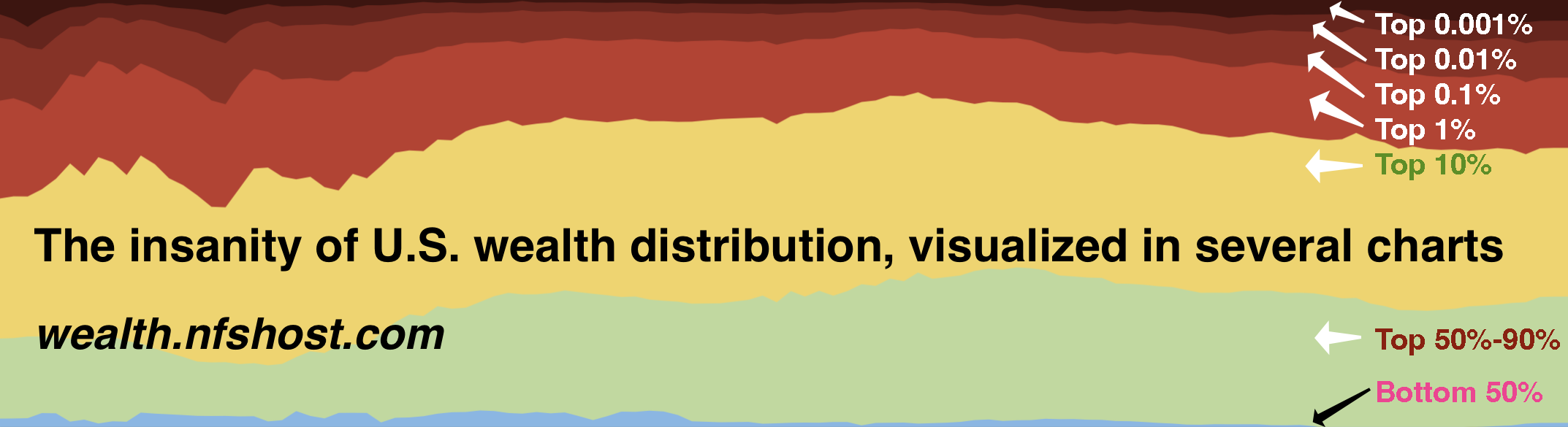
Check out our other political project that helps visualize the ridiculous differences between the wealthy and the rest of us.